
Why We Track Your Weights (And Why Progressive Overload Matters)
At Better Gym, we don’t ask you to record your weights or test your strength just for the sake of numbers.
We do it because progress doesn’t happen by accident — it happens when training is structured, intentional, and built to help you improve safely over time.
With our upcoming 5RM testing week, this is the perfect time to explain why we care about tracking weights, progressive overload, and how it all fits into long-term results.

What Is Progressive Overload?
Progressive overload simply means:
Gradually increasing the challenge placed on your body over time.
That increase might look like:
Adding a small amount of weight
Completing more reps with the same weight
Improving technique and control
Feeling stronger and more confident under load
It’s not about lifting heavier every session — it’s about slow, steady progression that your body can adapt to.
This is especially important for adults over 35, where consistency and recovery matter just as much as effort.
Why Random Workouts Don’t Deliver Long-Term Results
Without progressive overload, training often becomes:
Random
Hard to track
Easy to plateau
Frustrating
You might feel tired after sessions, but if the stimulus isn’t gradually increasing, your body has no reason to adapt.
At Better Gym, our programming is designed so that:
✔ Each block builds on the last
✔ Movements are repeated with purpose
✔ Progress can be measured, not guessed
Why We Track Your Weights
Tracking your weights gives us objective feedback — not opinions or feelings.
It helps us:
Ensure you’re training at the right intensity
Progress loads safely and appropriately
Avoid under-training and over-training
Personalise your experience within group workouts
And for you, it creates clarity and confidence.
You don’t have to remember everything — just follow the Better workouts and trust the process.
Why 5RM Testing Is Part of the Process
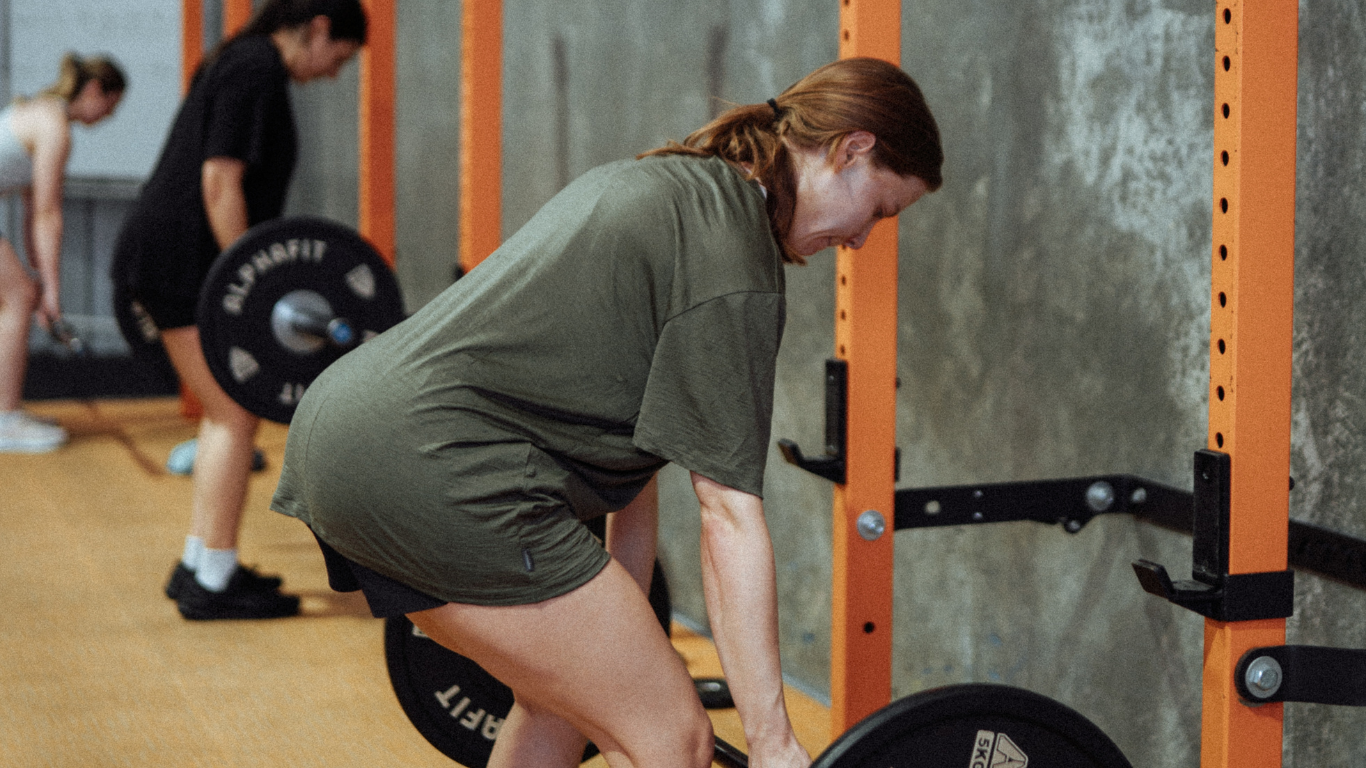
Testing your 5-rep max (5RM) in compound lifts like Squat, Bench Press, and Deadlift gives us a reliable benchmark.
It allows us to:
Set training loads that match your ability
Track meaningful strength improvements
Adjust programming for the next block
Celebrate progress beyond aesthetics
For many members, testing week isn’t about chasing a number — it’s about seeing proof that consistency works.
This Isn’t About Ego or Comparison
We want to be very clear: 5RM testing is not about being the strongest in the room.
It’s about:
Your starting point
Your progress
Your confidence
Your long-term health
Some members add weight.
Some improve technique.
Some feel stronger and more capable than ever.
All of that counts.

Why This Matters More As We Age
As we move through our 30s, 40s, and beyond:
Muscle mass naturally declines
Bone density becomes more important
Joint stability matters
Recovery needs more consideration
Progressive overload — done properly — is one of the most effective ways to maintain strength, independence, and resilience as we age.
And that’s exactly what our training blocks are designed to support.
What We Ask of You This Week
As we head into testing week:
Book in to your workout time and show up
Focus on good movement
Trust the process
Remember that progress isn’t always loud
The numbers help guide us — but the real win is building a body that supports your life.
In Summary
Tracking weights and testing strength isn’t about chasing numbers — it’s about training with purpose.
It helps us coach you better.
It helps you train smarter.
And it ensures the work you’re doing today continues to pay off long into the future.
At Better Gym, we’re not here to rush progress — we’re here to build it properly.
One rep. One block. One step forward at a time.
